After the accounting period ends, the company’s board of directors decides to pay out $20,000 in dividends to shareholders. A strong retained earnings figure suggests that a company is generating profits and reinvesting them back into the business, which can lead to increased growth and profitability in the future. A company with a high level of retained earnings indicates that it has been able to generate consistent profits, which can be used for reinvestment in the business or to fund future growth opportunities. In between the opening and closing balances, the current period net income/loss is added and any dividends are deducted. Retained earnings represent a useful link between the income statement and the balance sheet, as they are recorded under shareholders’ equity, which connects the two statements. Retained Earnings (RE) are the accumulated portion of a business’s profits that are not distributed as dividends to shareholders but instead are reserved for reinvestment back into the business.
Retained Earnings: Calculation, Formula & Examples
Next, we must credit risk determine the total net income generated by the business during the month. In our example, our business starts the month with $1000 in retained earnings. First, we must identify the current retained earnings accumulated from the prior period. Here’s how to find the retained earnings of your company in Google Sheets. A higher value for this metric implies that the business is more able to reinvest its earnings and may distribute these earnings to shareholders. During the month of December, your business was able to earn a net profit of $8,000.
Can Retained Earnings Be Negative?
- Each affects a company’s money and how it grows differently.
- Strong retained earnings act as a safety net during slow seasons, unexpected expenses, or economic downturns.
- Yes, having high retained earnings is considered a positive sign for a company’s financial performance.
- That’s not a crisis—it just means you’ve invested heavily and losses have outpaced profits so far.
- Retained earnings tells you whether your business is building financial strength year after year or slowly draining it without realising.
- Consistent growth signals profitability and discipline.
- Additionally, demand decreases slightly as competitors enter the market, resulting in a net loss of $400,000.
Retained earnings are about profitability over time, while cash flow reflects real-time financial health. A strong retained earnings balance reflects a business that is not only profitable but also sustainable and focused on long-term success. Retained earnings may not be as flashy as cash flow or net profit, but they’re a key indicator of your business’s financial health and potential. For instance, if a major expense from the previous quarter was understated, it can inflate retained earnings and create an inaccurate picture of the company’s financial health.
I could have made decisions for my business that would not have turned out well, should they have not been made based on the numbers.” We partner with businesses that help other small businesses scale—see who’s on the list Hear straight from our customers why thousands of small business owners trust Bench with their finances Learn more about Bench, our mission, and the dedicated team behind your financial success. Easy-to-use templates and financial ratios provided.
Forecasting retained earnings often uncovers hidden complexities that can challenge even well-structured financial models. Teams often perform this calculation multiple times to account for several potential future scenarios (e.g., base, best, and worst case). Leadership expects 10% revenue growth next year and projects net income of $110,000. Proactive scenario planning not only guides dividend payouts and reinvestment decisions but also ensures retained earnings align with both immediate objectives and long-term resilience. Over the year, the startup records net income of $80,000 and chooses to pay $20,000 of the balance to its early investors.
Example 1: Profit Without Dividends
Firstly, you need to determine the beginning retained earnings for the period. Retained earnings represent more than just accumulated profits—they are the pulse of an organization’s reinvestment strategy. Finance leaders can leverage retained earnings to secure funding, inform goal-aligned investments, and achieve sustainable growth.
- High retained earnings with minimal dividends suggest a focus on reinvestment.
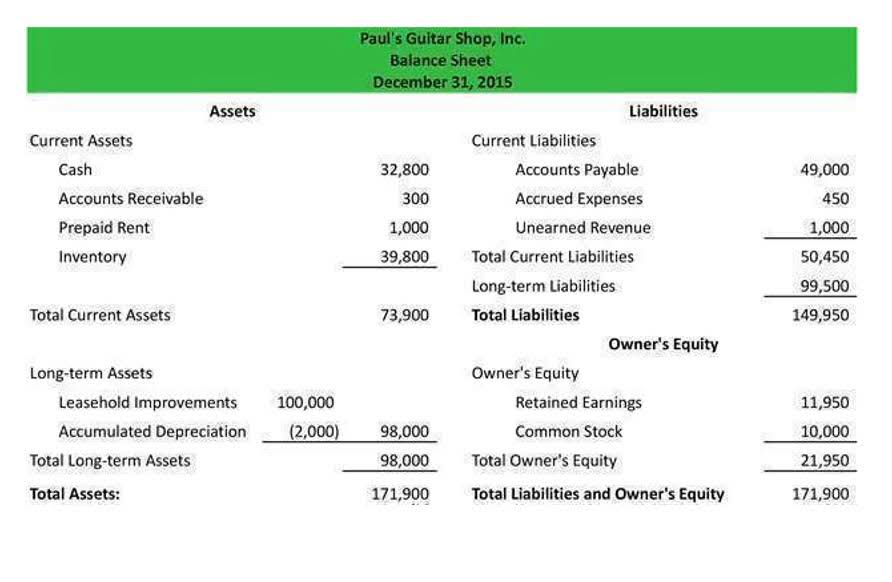
- You can find retained earnings in the shareholder’s equity section of the balance sheet.
- A company’s success and innovation depend on using this internal money smartly.
- Get dedicated business accounts, debit cards, and automated financial management tools that integrate seamlessly with your bookkeeping operations
- Retained earnings reveal if a company can grow without outside money.
- A business with substantial cash reserves might seem healthy on paper, for example, but need more support in production because leadership prefers to hold on to the earnings rather than invest resources in essential processes.
Here’s what you need to know about the retained earnings formula and what influences the final figure. Learning how to calculate retained earnings is vital for measuring the ongoing profitability of organizations, ranging from one-man startups to multinational corporations. So, what is retained earning in accounting, and why should you take the time to calculate and analyze it? But understanding the concept is vital for any business because it demonstrates the true profitability of an organization. You might be surprised by what you discover about their growth strategy and financial priorities.
When a company consistently retains part of its earnings and demonstrates a history of profitability, it’s a good indicator of financial health and growth potential. Yes, having high retained earnings is considered a positive sign for a company’s financial performance. When a company generates net income, it is typically recorded as a credit to the retained earnings account, increasing the balance.
Top business software that are totally free.
Retained earnings for a single period can reveal trends in the company’s reinvestment, but they don’t tell you how those funds are used, or what the return on investment is. Equity refers to the total amount of a company’s net assets held in the hands of its owners, founders, partners, and shareholders (residual ownership interest). With automated accounting solutions, expense tracking, and detailed financial reporting, FreshBooks is here to help business owners take the guesswork out of their financials.
This reinvestment can fund growth initiatives, such as expanding operations, developing new products, or acquiring assets. Are you still wondering about calculating and interpreting retained earnings? The first line is the name of the company, the second line labels the document “Statement of Retained Earnings” and the third line states the year “For the Year Ended XXXX”. Let’s say that a marketer named Elena is looking to expand her agency, but needs to provide some information about retained earnings to attract new investment. Because RE is calculated to date, they accumulate from one period to the next. Outside work, I enjoy exploring new marketing trends and data-driven growth ideas.
If you’re calculating on an annual basis, for example, refer to the previous year’s balance sheet. The retained earnings on that date form the foundation of your calculation. If the company reported a loss, you’ll subtract instead. While you might need to refer to multiple financial documents, the process of calculating retained earnings is generally straightforward. Net income is what’s left over after the business has met its obligations.
In the final step of building the roll-forward schedule, the issuance of dividends to equity shareholders is subtracted to arrive at the current period’s retained earnings balance (i.e., the end of the period). The formula to calculate retained earnings starts by adding the prior period’s balance to the current period’s net income minus dividends. Retained Earnings on the balance sheet measures the accumulated profits kept by a company to date since inception, rather than issued as dividends. Building a cash flow statement from scratch using a company income statement and balance sheet is one of the most fundamental finance exercises commonly used to test interns and full-time professionals at elite level finance firms. Overall, Coca-Cola’s positive growth in retained earnings despite a sizeable distribution in dividends suggests that the company has a healthy income-generating business model. Here we can see the beginning balance of its retained earnings (shown as reinvested earnings), the net income for the period, and the dividends distributed to shareholders in the period.
In this tutorial, you will learn how to calculate retained earnings in Google Sheets. Registered Representatives of Cetera Wealth Services, LLC may only conduct business with residents of the states and/or jurisdictions in which they are properly registered. Anything that reduces this will have an impact on retained earnings and vice-versa. Depreciation – Depreciation can reduce net income, and therefore earnings retained, if a fixed asset’s cost is spread out over its useful lifespan.
Not because the math is hard, but because the concept sits at this weird intersection of profit, cash flow, and equity that most business guides gloss over. You can compare your company’s retained earnings from one accounting period to another. They are cumulative earnings that represent what is leftover after you have paid expenses and dividends to your business’s shareholders or owners.
Retained earnings are not the same as net profit. And, the equity section shows you the money you have left over after paying debts. The assets section shows you the items of value that your business owns. Although you can invest retained earnings into assets, they themselves are not assets.
By mastering the retained earnings formula and regularly updating your records, you’ll have better control over your financial future. Retained earnings appear on the balance sheet under the equity section. This can include both cash and stock dividends. Use the income statement to find the net income for the current period.
At the beginning of the fiscal year, its retained earnings balance was $250,000. Consider, for example, a growing software startup that has reinvested profits to scale its platform. This means knowing common formulas and when to use them, and incorporating retained earnings forecasting for a forward-looking perspective. Learn the opportunity cost formula, how to calculate it, key factors to consider, and its impact on capital allocation for smarter business decisions.